
"coffee growing regions"
10000 article(s) found

Kocher Estate Single Bean Flavor Description Variety Growing History Introduction to Region Treatment
Professional barista exchanges, please pay attention to coffee workshop (Weixin Official Accounts cafe_style ) Ethiopia Population: 93877000 Ethiopia's production area name is the most recognized in the coffee industry, and it is currently the country with the largest number of coffee names as production area names. Today, the future is predictable. In addition, Arabica genes of original species and wild species

A brief introduction to the treatment method of grinding degree and baking degree of full-grained Santo Domingo fine coffee beans
The temperate climate in Dominica is conducive to coffee cultivation, and the best places to grow coffee are the Barahona region in the southwest and the Cibao Valley north of Santiago, Dominica's second largest city. The northern region, represented by Hibao, and the southern region, including Okayabani Santo Domingo, produce good coffee. Among them, Santo

Essel washed Sidamo G1 Shakiso shakisso Fine Coffee beans Grinding degree roasting degree treatment
Factory name: Dazhen Coffee Qianjie Cafe location: Guangzhou Baoqian Street 10 manufacturer contact Information: 38364473 ingredients Table: self-baking shelf life: 90 net content: 227g packing: raw and ripe coffee beans in bulk: whether coffee beans contain sugar: sugar-free origin: Ethiopian coffee types: other roasting degrees: light roasting Ethiopian Sidamo Shakisso

What growth conditions are needed to grow coffee beans?
The latitude is between the north and south latitudes, that is, the temperature in the tropical and tropical areas is about 21 degrees Celsius, and the sunshine is only a few hours a day. The terrain is mainly located in the mid-levels of 300 to 400 meters, or on slopes of 1500 to 2500 meters. The higher the altitude, the higher the quality. Because the sunshine time is short and the drainage is good. Under the coffee bar like the root tide, high in the middle of the coffee bar, placed in the coffee bar.

What are the characteristics of Brazilian Queen's Manor Coffee beans? how much is the Queen's Manor Yellow bourbon Coffee?
Professional barista exchanges please follow the coffee workshop (Wechat official account cafe_style) Brazil Queen Manor Coffee beans what are the characteristics of Queen's Manor Yellow bourbon how much coffee? * * in the history of SUL DE MINAS This area is full of coffee in Brazil.

Elevated bed Solar treatment of Heirloom Coffee Raw beans in Ethiopia Cedar Mosida Masha Chiso producing area
The coffee flavor of Sidamo is very diverse, because of the different soil composition, regional microclimate and countless native coffee varieties, the coffee produced in each urban area has obvious differences and characteristics. Sidamo producing area (Sidama) is located in the south of Ethiopia. The industry here is dominated by agriculture, and the coffee growing area is located around the East African Great Rift Valley (GreatRiftValley).

Flavor description of Costa Rican Coffee Bean introduction to the taste of the regional treatment of manor varieties
Costa Rican coffee bean flavor description manor variety regional treatment taste introduction the volcanic soil in Dariga is very fertile and well drained, making it the first country in Central America to grow coffee and bananas because of its commercial value. Coffee and bananas are the country's main exports. Coffee was introduced into Costa Rica from Cuba in 1729. Today, its coffee industry is the world.

Brazilian coffee beans grown on plantations Growing regions Flavor description Taste treatment Variety introduction
Brazilian coffee beans grown in plantations producing areas Flavor Description Taste Treatment Variety Introduction Plantation three ways, sun plantation, full shade plantation, half shade plantation. Plantations with more than 50 trees per hectare are full shade plantations;25-50 trees are half shade plantations, and 25 or less are sun plantations. The plantation shade of two neighbors with the same planting conditions

Coffee bean production methods Coffee producing areas
The most sensible and practical way to understand coffee-producing countries is to classify them into the world's three major coffee growing regions: Africa, Indonesia and Central and South America. Generally speaking, coffee grown in the vicinity has similar characteristics. If a particular bean is out of stock, the manufacturer and buyer of the comprehensive product will usually look for a nearby country. People who make comprehensive products will say: I think
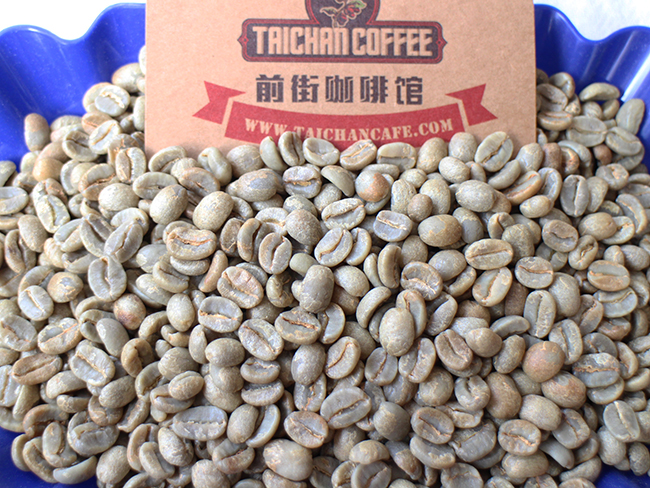
Raw bean wholesale price Ethiopia Sida Mosida Damasso producing area sun-treated coffee raw bean price
The coffee flavor of Sidamo is very diverse, because of the different soil composition, regional microclimate and countless native coffee varieties, the coffee produced in each urban area has obvious differences and characteristics. Sidamo producing area (Sidama) is located in the south of Ethiopia. The industry here is dominated by agriculture, and the coffee growing area is located around the East African Great Rift Valley (GreatRiftValley).

How to choose coffee bag Ethiopia Sidamo Gujiso Xia Chiso sun-dried coffee cooked beans
The coffee flavor of Sidamo is very diverse, because of the different soil composition, regional microclimate and countless native coffee varieties, the coffee produced in each urban area has obvious differences and characteristics. Sidamo producing area (Sidama) is located in the south of Ethiopia. The industry here is mainly agricultural, and the coffee growing area is located around the Great Rift Valley (Great Rift Valley) of East Africa.

Lutesilo producing area in the western province of Rwanda coffee growing region
Coffee has been grown since the colonial era. although the crops are mainly coffee, the quality of coffee produced by Lu is not outstanding, and its status in the coffee world is low, and few people pay attention to it. Most of the coffee varieties grown in Rwanda are bourbon. Rwanda, known as the country of a thousand hills, has a high-altitude mountain environment, fertile volcanic soil and abundant precipitation, which is conducive to the growth of coffee trees.

Boutique coffee Bolivian coffee beans Yongas region
Bolivia not only has a unique growing environment, but also has an excellent coffee variety Typica. In the past two hundred years, the main variety of coffee in Yanggas area is the ancient Tibica. Tibica coffee has a balanced and soft flavor, with lively aroma and rich sour taste. Unfortunately, the low production of Tibika and its poor disease resistance make Bolivia's

Boutique Coffee the History of growing Coffee
In fact, the Arabs began to grow coffee in 525 BC, and chewing fried coffee beans became popular in the Arab region. In 890 AD, Arab merchants sold coffee beans to Yemen, and Yemenis made coffee beans into drinks for the first time. In the 15th century, coffee was introduced into Europe, Asia and soon into America. By the 18th century, tropical and subtropical regions around the world were widespread.

What are the flavors and characteristics of the eight regions of Guatemala? What are the grades?
What are the flavors and characteristics of the eight regions of Guatemala? What are the grades? In 1750, Father Jesuit introduced coffee trees to Guatemala, where German colonists developed the coffee industry in the late 19th century. Today, most of the coffee industry is produced in the south of the country. Coffee in Guatemala Origin: Sierra Madre Fire
Learn about the history of growing coffee
In fact, the Arabs began to grow coffee in 525 BC, and chewing fried coffee beans became popular in the Arab region. In 890 AD, Arab merchants sold coffee beans to Yemen, and Yemenis made coffee beans into drinks for the first time. In the 15th century, coffee was introduced into Europe, Asia and soon into America. By the 18th century, tropical and subtropical regions around the world were widespread.

Cooked beans of sun-cured coffee in the Shakisso producing area of Sidamo Guji Guji, Sidamo, Ethiopia
The coffee flavor of Sidamo is very diverse, because of the different soil composition, regional microclimate and countless native coffee varieties, the coffee produced in each urban area has obvious differences and characteristics. Sidamo producing area (Sidama) is located in the south of Ethiopia. The industry here is mainly agricultural, and the coffee growing area is located around the Great Rift Valley (Great Rift Valley) of East Africa.

Characteristics of Sidamo Shakiso beans Sidamo Shaquiso coffee drinking method
For the exchange of professional baristas, please follow the coffee workshop (Wechat official account cafe_style) [factory introduction] Shakisso/Shakiso is located in the Guji region of Oromia, close to Sidama and Gedeo. There are many pits in this area, which were used to mine gold in the early days, so there are many pits in this coffee growing area.

Ethiopia washed G1 sidamo sidamo shakisso micro-production sidamo coffee roasting
Name: Dazhen Coffee Front Street Cafe Address: No. 10 Baoanqian Street, Guangzhou City Factory Contact: 020-38364473 Ingredients List: Self-baked Shelf life: 90 Net content: 227g Packaging: Bulk coffee beans Ripe degree: Coffee ripe beans sugar: sugar-free Origin: Ethiopia Coffee type: Other Roasting degree: Light Roast Ethiopian Sidamo Shakisso

How to correctly choose the benefits and functions of coffee beans
The most sensible and practical way to understand coffee-producing countries is to classify them into the world's three major coffee growing regions: Africa, Indonesia and Central and South America. Generally speaking, coffee grown in the vicinity has similar characteristics. If a particular bean is out of stock, the manufacturer and buyer of the comprehensive product will usually look for a nearby country. People who make comprehensive products will say: I think